High-Alpine & Lakeside: The Ultimate Whistler Summer Adventure Guide

When winter’s heavy snowfall finally melts, Whistler transforms into a sun-drenched haven for outdoor enthusiasts. Lush pine forests replace icy slopes, revealing technical alpine trails, crystal-clear lakes, and a bustling pedestrian village packed with patio life.

Whistler Mountain | Wikimedia Commons

High-Alpine Trail Hiking

Riding the PEAK 2 PEAK gondola high above the tree line opens up miles of pristine ridge trails. Hikers can traverse high-altitude paths blooming with seasonal wildflowers, with dramatic glacier peaks creating sharp, dramatic views in every direction.

World-Class Downhill Biking

For adrenaline junkies, Whistler Mountain Bike Park stands as the ultimate playground. Renting a full-suspension gravity bike allows riders to charge down 4,900 vertical feet, navigating tight forest switchbacks, wooden feature bridges, and fast-flowing dirt jumps tailored for every skill level.

Vibrant Village Basecamps

After a day spent exploring the wilderness, relaxing in the pedestrian-only village is essential. Prime properties like Pan Pacific Whistler Mountainside demonstrate why top hotels in Whistler, BC, draw summer travellers, offering heated outdoor pools nestled right at the base of the gondolas for immediate post-ride recovery.

Glacier-Fed Lake Chilling

When warm afternoon temperatures peak, heading down to Alta Lake or Lost Lake provides the ideal wind-down. Travellers can launch stand-up paddleboards, kayak along timbered shorelines, or simply lounge on sandy docks while soaking up the mountain sun.

A Guide to Exploring the Koggala Lake: An Unforgettable Adventure Near Galle

The scenic Koggala Lake is one of the finest natural gems in Sri Lanka’s southern region, offering a different kind of adventure that complements the historical tours visitors typically enjoy at the Galle Fort. Known for its rich biodiversity and fascinating island experiences, the lake guarantees a splendid experience that visitors won’t soon forget.

Koggala | Wikimedia Commons

The Best Time to Visit

The dry season from November to April is usually the best time to enjoy a safari on the lake. The weather is stable, and the visibility underwater is at its best. Try to time your visit early in the morning or late in the evening if you want to catch sight of the resident birds and animals.

How to Explore

The best way to explore the Koggala Lake is via a guided boat safari. Many of the nearby hotels in Galle, including those like Fortress Resort & Spa, offer boat tours on the lake which typically last for an hour. It’s also possible to go kayaking or paddleboarding on the water, but these activities aren’t as common as boat tours.

Island Visits

One of the highlights of exploring Koggala is visiting its little islands. Cinnamon Island is home to cinnamon plantations that you can visit; the Herbal Garden Island is where you’ll discover all kinds of rare medicinal plants; and Temple Island is home to an ancient Buddhist temple that welcomes visitors.

The Biodiversity

Koggala Lake is home to several wildlife and bird species, which is why it’s a popular spot for nature lovers. You can spot herons, kingfishers, monkeys, fruit bats, water lizards, and even the occasional crocodile. When you’re out exploring, it’s important to stay within the confines of your boat and avoid interacting with the animals.

Eating Well in Hatta – A Simple Guide to Dining in the Mountains

Hatta’s reputation rests largely on its outdoor activities and mountain scenery, but the dining experience here deserves its own attention. Eating in Hatta tends to take advantage of the cooler climate and quieter surroundings, with options that range from simple local fare to more considered resort dining.

The Setting Shapes the Experience

One of the defining features of dining in Hatta is the environment itself. Outdoor seating areas that make use of the cooler mountain air, views across the surrounding peaks, and the general absence of city noise all add a quality to meals here that is different from Dubai proper.

Local and Regional Flavours

A Hatta restaurant in Dubai will typically draw on regional Emirati and broader Middle Eastern influences, often incorporating fresh produce sourced from the area. Grilled meats, fresh salads, and traditional mezze-style dishes are common, offering a more grounded and less elaborate dining style than the high-end restaurant scene found in central Dubai.

Hatta | Flickr

Resort Dining Done Thoughtfully

The best dining experiences in Hatta tend to come from properties that understand the setting they are working with. Outdoor terraces, views across the surrounding peaks, and menus that lean into regional flavours all contribute to meals that feel appropriate to the mountain environment. JA Hatta Fort Hotel handles this well, with dining options that make the most of the outdoor setting without overcomplicating what is, at its best, a straightforward and satisfying experience.

Pairing Food With the Day’s Activities

Hatta’s day has a rhythm that makes for great eating. You can start your day with a hearty breakfast before hitting the water for kayaking or biking, enjoy a light lunch when it’s warm, and then have a longer, more chilled-out dinner in the evening. All of this fits nicely with what people usually do around here. This natural connection between food and activity is what makes dining in Hatta feel so perfect for the place.

Explore and Experience Hatta – Dubai’s Favourite Mountain Escape

A decade ago, Hatta was little more than a quiet stopover on the road to Oman. Today, this mountain enclave has become one of the most sought-after weekend destinations in the UAE, drawing residents and visitors alike with its scenery, outdoor activities, and cooler climate than the city below.

Hatta-UAE | Wikimedia Commons

The Landscape Does the Heavy Lifting

Hatta’s appeal starts with its setting. The Hajar Mountains rise around the town, creating a landscape of rugged peaks, deep wadis, and the turquoise waters of Hatta Dam, all of which feel a world away from Dubai’s skyscrapers despite being just over an hour’s drive from the city centre. The contrast is part of what makes the destination so effective as a quick escape.

A Base in the Mountains

Among the best hotels in Hatta Dubai, having a base that reflects the mountain setting adds a lot to the experience. JA Hatta Fort Hotel has long been the area’s most established property, set in the landscape itself. Accommodation options in the mountains take full advantage of the cooler air and sweeping mountain views. It is easily a once-in-a-lifetime experience.

Activities for Every Pace

Hatta has developed a strong outdoor activity scene over the past several years. The Hatta Mountain Bike Trail Centre provides routes for riders of every level, kayaking on the dam has become one of the area’s signature experiences, and hiking trails through the surrounding wadis appeal to those looking for a slower, more contemplative way to take in the scenery. There is enough variety here to suit almost any kind of traveller.

More Than a Sense of Heritage

Hatta Heritage Village adds a cultural aspect to the destination, with restored traditional buildings, a watchtower, and exhibits exploring the area’s history as a mountain trading community. It is a compact but worthwhile stop that gives context to the region beyond its more recent reputation as an adventure destination.

Snorkelling vs Scuba Diving Around Phi Phi Islands: Which Experience Showcases Thailand’s Marine Beauty Best?

The waters around Phi Phi in Thailand are home to colourful coral reefs, tropical fish and larger marine species, making the islands a natural playground for anyone curious about what lies beneath the surface. But should you stay close to the surface with a snorkel or head deeper with scuba gear? The answer depends on your confidence in the water, experience level and what you hope to see. Comparing the two can help you choose the right experience or plan to enjoy both during your stay.

Overview

When it comes to experiencing the marine world in this part of Thailand, snorkelling, island hopping and scuba diving around Phi Phi are not to be missed. Snorkelling is easy to pick up and works well for travellers who want a relaxed introduction to the reefs, particularly around sheltered bays and shallower waters. Scuba diving takes you further below the surface, opening access to deeper reefs, wrecks and specialised dive sites. Both can reveal colourful coral and fascinating marine life, but the experience, preparation and level of commitment are quite different.

Comparison Table: Snorkelling vs Scuba Diving Around Phi Phi Islands

Comparison Snorkelling Scuba Diving
Experience Required No prior experience generally required; swimming ability recommended Training and appropriate certification required for diving
Best Locations Pi Leh Bay, Loh Samah Bay and nearby shallow reefs Koh Bida, Phi Phi Leh, Shark Point and King Cruiser Wreck
Equipment Mask, snorkel and fins; often available to rent or borrow Full scuba equipment, generally available through dive centres
Marine Life Clownfish, sea anemones, blacktip reef sharks, turtles and tropical fish Reef species plus access to deeper habitats and larger marine life
Depth Mainly surface and shallow-water exploration Deeper underwater exploration
Accessibility Easy to add to an island-hopping or beach day Requires more planning and preparation
Training No formal certification Introductory courses and recognised certifications available
Cost Often low-cost, especially where equipment is included Varies by training, certification and number of dives
Ideal For Families, beginners and casual marine-life enthusiasts Certified divers and travellers seeking deeper exploration

Ideal Locations

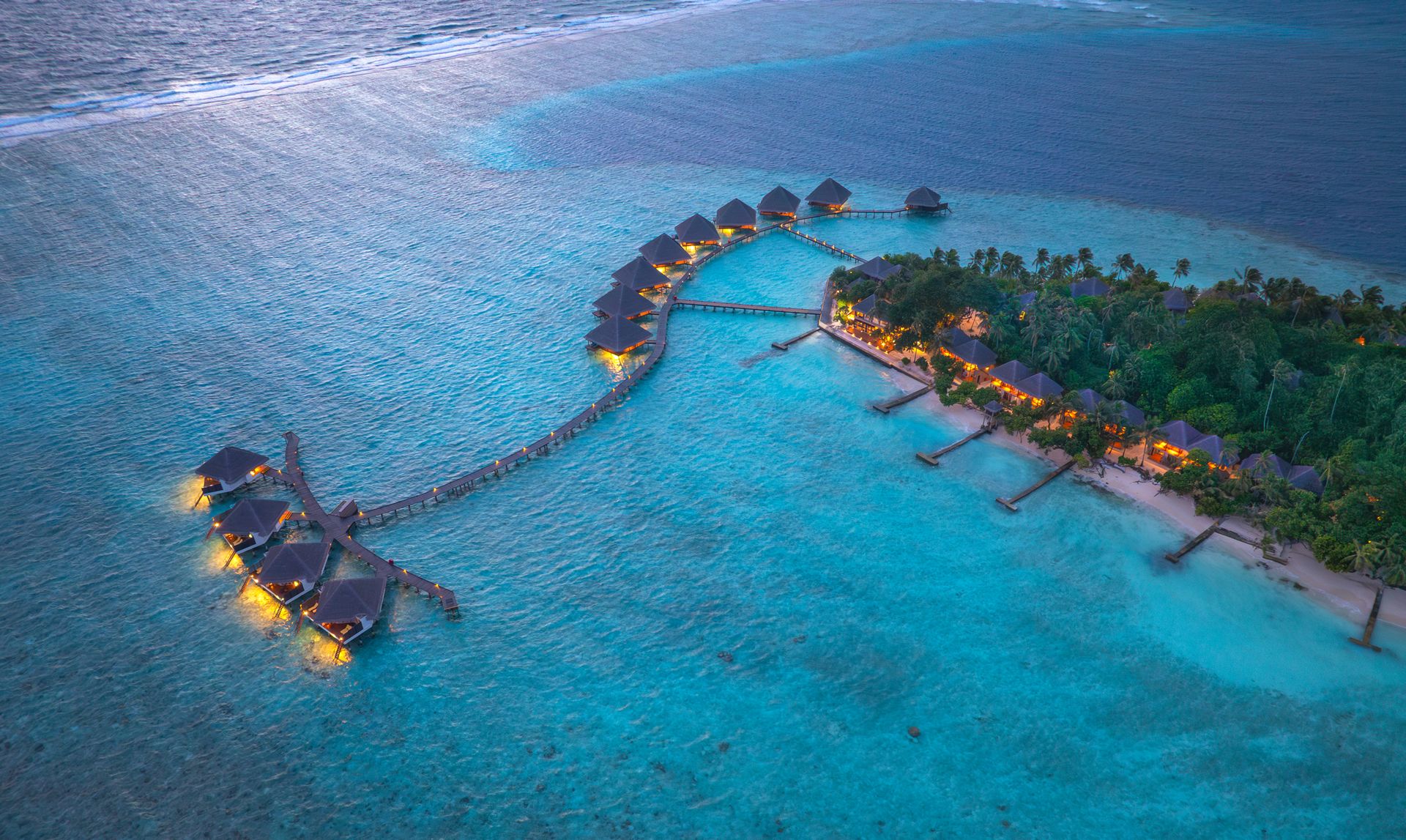
Phi Phi’s surrounding waters offer excellent opportunities for both activities, although the locations you choose can shape the experience. For snorkelling, Pi Leh Bay and Loh Samah Bay are popular stops, with clear waters and easy opportunities to explore the underwater scenery. Resorts on Phi Phi Don, such as SAii Phi Phi Island Village, can arrange boat excursions to these and other nearby bays, making it convenient to explore beyond the immediate shoreline. Such properties also offer access to popular dive sites such as Koh Bida, Phi Phi Leh, Shark Point and the King Cruiser Wreck, which provide a wider range of underwater environments. Some dive centres additionally arrange excursions to multiple sites, allowing certified divers to explore according to their experience level.

Activity Differences and Experience Needed

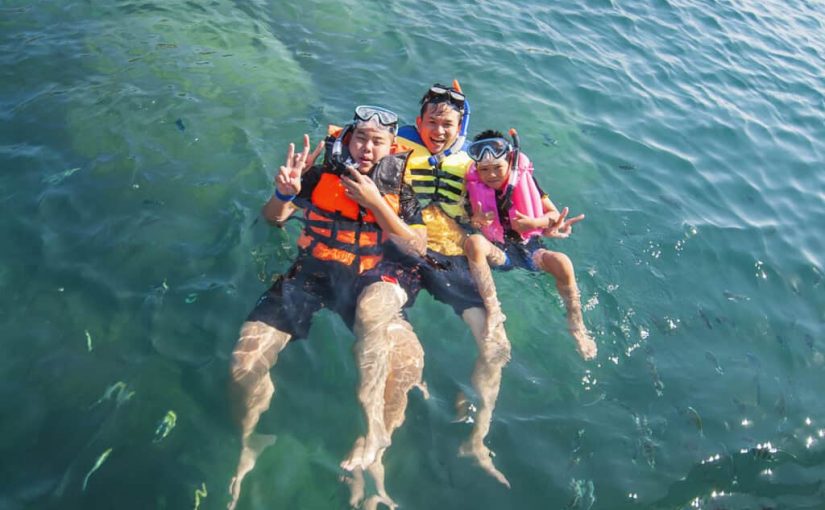
Snorkelling is generally the simpler option for travellers who want to explore marine life without extensive preparation. You should be comfortable swimming, but you typically don’t need prior snorkelling experience. Equipment such as masks, snorkels and fins can often be rented or provided by resorts and excursion operators, making it easy to join a trip during your holiday.

Scuba diving requires more preparation because you need appropriate training and certification. However, not being a certified diver doesn’t necessarily mean you have to miss out. Resorts with professional dive centres will offer introductory experiences as well as recognised training and certification programmes. Equipment can also usually be rented through the dive centre, reducing the need to travel with bulky gear.

Marine Life Diversity

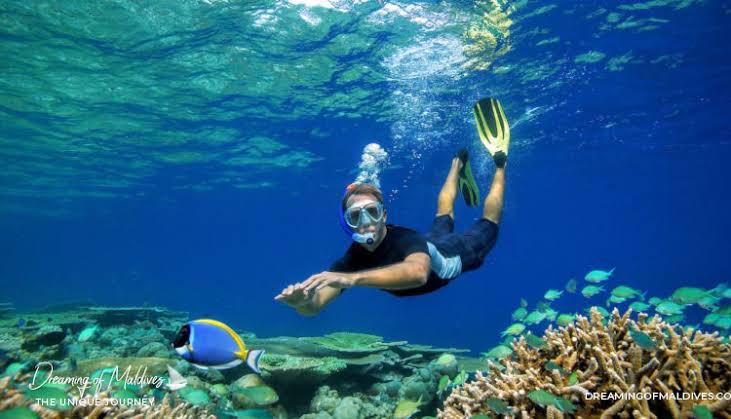
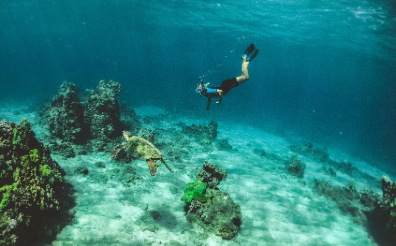
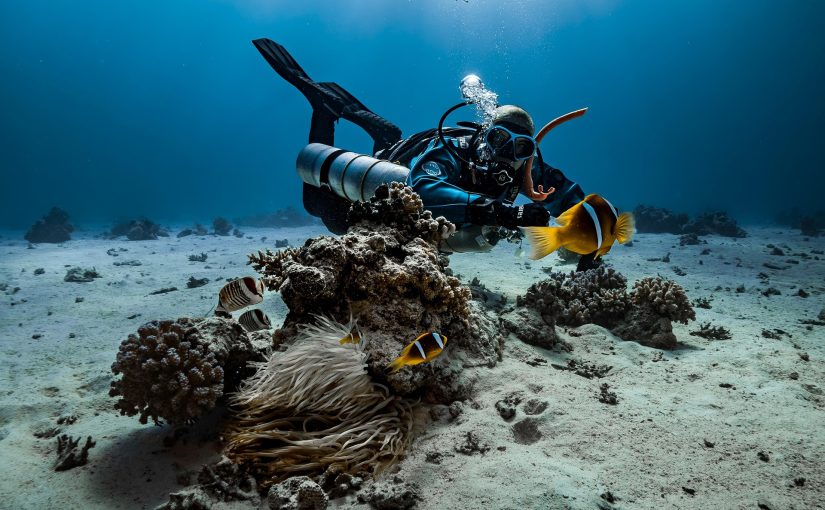
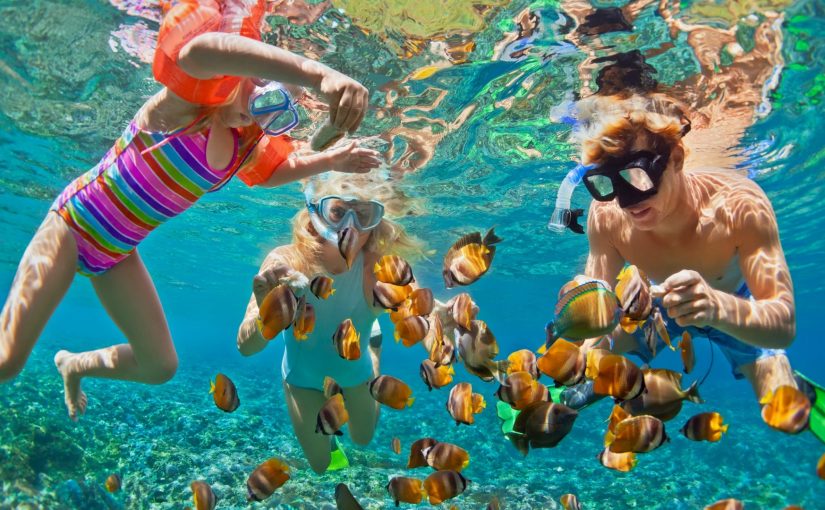
Both snorkelling and diving can introduce you to Phi Phi’s colourful underwater ecosystem. Depending on the location and conditions, snorkellers may spot clownfish sheltering among sea anemones, blacktip reef sharks, turtles and schools of tropical reef fish. The relationship between clownfish and sea anemones is particularly interesting to observe, as both species benefit from their close association. 

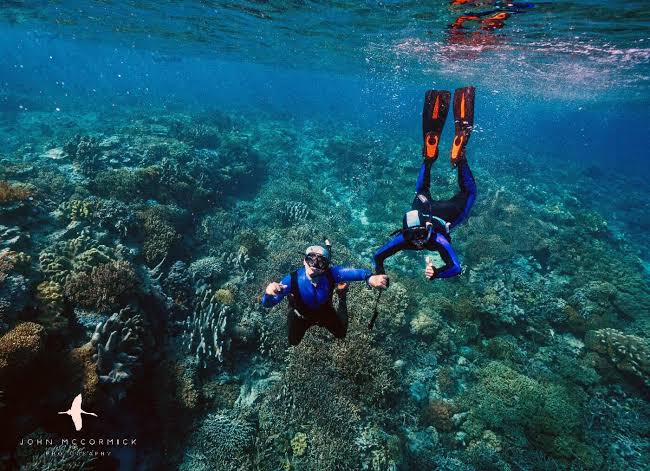
Divers can encounter similar marine life while also exploring deeper sections of reefs where additional species and underwater habitats may be found. Around the wider Andaman region, dive excursions can offer opportunities to encounter larger species such as bamboo sharks, whale sharks and other shark species.

Depth, Exploration and the Overall Experience

The biggest difference between the two activities is the underwater perspective they provide. Snorkelling keeps you close to the surface, making it ideal for taking in the colours of shallow reefs while still enjoying the surrounding scenery. It can also be easier to combine with island-hopping, swimming and beach visits in a single day.

Scuba diving allows you to descend further and spend more time exploring underwater environments. This makes it possible to investigate deeper reefs, underwater rock formations and wreck sites that aren’t accessible to snorkellers. For certified divers, sites such as the King Cruiser Wreck provide a very different type of experience from exploring a shallow tropical bay. The right choice ultimately depends on whether you prefer an easy-going introduction or a more immersive adventure.

Cost Comparisons

Snorkelling can be one of the more accessible ways to explore Phi Phi’s marine environment. If your resort provides equipment or you join an excursion where gear is included, there may be little additional cost beyond your accommodation. Private or full-day boat trips, however, will cost more.

Scuba diving costs vary considerably depending on whether you need introductory training, certification or guided dives. The following 2026 rates provide an indication of available dive experiences, but prices can change and should be confirmed directly with the dive centre or resort before booking.

Experience 2026 Indicative Rate Best Suited To
Snorkelling Sometimes complimentary at the resort, though rental or excursion fees may apply Beginners, families and casual explorers
SSI Explorer Divers THB 3,400 per person Children aged 8 to 10 years, subject to programme requirements
Intro Diving (1 Dive) THB 5,400 per person First-time divers
SSI Scuba Diver (Express Pre-Entry Certification) THB 14,900 per person Travellers seeking an entry-level certification
SSI Open Water Diver THB 19,500 per person Travellers wanting full beginner certification
Advanced Adventure Diver (2 Days) THB 18,400 per person Certified divers looking to develop their skills

Rates are based on the 2026 prices provided for this comparison and are subject to change. Training requirements, minimum ages, equipment rental and excursion fees may also vary, so check the latest details with the resort or dive centre before booking.

Who Each Activity is Best For

Snorkelling is ideal for:

  • Travellers who have little or no previous experience with underwater activities.
  • Families who want an easy activity that can be combined with swimming and island excursions.
  • Couples who prefer a relaxed way to explore Phi Phi’s clear waters.
  • Visitors who want to spend a short amount of time in the water without committing to a full dive experience.
  • Travellers who enjoy shallow reefs, colourful fish and the flexibility to move between different bays and beaches.

Scuba Diving is ideal for:

  • Certified divers who want to explore Phi Phi’s deeper underwater environments.
  • Travellers interested in wrecks, deeper reefs and more immersive marine encounters.
  • Those willing to complete introductory training or certification during their holiday.
  • Experienced divers looking to explore established sites around Phi Phi and the wider Andaman Sea.
  • Travellers who want to spend more dedicated time underwater rather than combining marine exploration with a broader island-hopping itinerary.

For travellers staying at a resort on Phi Phi Don with access to a dive centre, it can be particularly convenient to experience both. You could begin with snorkelling around the islands’ scenic bays and then progress to a guided dive if you discover that you want to explore further below the surface. Pro tip: Look to stay at a resort that not only offers these activities but also has a marine discovery centre, allowing guests to learn more about the local ecosystem while enjoying the surrounding waters.

Conclusion

Snorkelling and scuba diving each reveal a different side of Phi Phi’s marine beauty. Snorkelling offers an accessible way to enjoy colourful reefs and tropical marine life, while scuba diving opens up deeper environments, specialised dive sites and a more immersive underwater experience. Rather than choosing one over the other, travellers with enough time can combine both. Doing so gives you the best opportunity to appreciate the full range of marine life and underwater landscapes around Phi Phi.

Sun, Shade, and a Cold Drink – The Art of the Dubai Pool Day

Dubai knows how to make pool days special. The reliable sunshine, well-designed resort facilities, and a hospitality industry that understands the art of doing nothing in comfort make spending a day by the water here one of the most enjoyable things the city offers. A well-planned pool day in Dubai delivers a kind of satisfaction that is very hard to beat.

Dubai | Wikimedia Commons

Choosing the Right Pool Setup

Not all pools in Dubai are created equal, and bigger isn’t always better. The difference between a well-designed pool area with good shade, comfortable loungers, attentive service, and a view worth looking at, and a basic hotel pool tucked between two buildings, is significant. A way to up the ante on a pool day is to find a place that combines pool and beach access, giving you the flexibility to move between the two whenever you want.

The Pool Lounge Experience

A pool lounge in Dubai adds a social aspect to the day that a standard pool setup cannot quite replicate. Great music, a good drinks menu, and delectable bar fare without having to leave your lounger all add up to an insanely fun experience. JA Palm Tree Court is a great place to consider if this sounds up your alley.

Eating and Drinking

When you’re planning a great pool day in Dubai, it’s all about the food and drinks, just as much as the sun and water. A nice, light breakfast to kick things off, a refreshing and easy lunch, and a cold drink that comes just when you need it, these are the key ingredients for a truly indulgent day. The best pool venues know that the food and drink are just as important as the actual pool area, so they make sure their menus are top-notch.

Making the Most of the Light

Dubai’s lighting shifts quite a bit with the time of day, and the best pool days make the most of it. In the morning, the temperatures are cooler and the light is softer, perfect for swimming. Midday is when you need shade and something cold to drink. Late afternoon, when the heat starts to ease and the light turns golden, is often the most beautiful time to be by the water, and the hour before sunset is definitely worth staying for, no matter how long the day has been.

Stay, Play, Repeat – How to Plan the Perfect Dubai Staycation

There is a particular kind of satisfaction that comes from checking into a hotel in your own city. The familiar streets look different from a hotel room, the weekend feels longer, and the everyday routines that normally fill your hours simply disappear. A Dubai staycation, done well, delivers all of this and a great deal more.

Choosing the Right Property

The success of a staycation in Dubai starts with the choice of hotel. A property with strong beach access, multiple dining options, and enough on-site facilities to fill a weekend without ever needing to leave is the ideal starting point. The best staycation deals in Dubai bundle room rates with breakfast, dining credits, and resort access so that the total cost feels like good value against what you would spend travelling elsewhere for the same level of experience.

Dubai | PxHere

Making the Most of the Beach and Pool

A Dubai staycation should include at least one long day built around the pool or the beach. No particular schedule, no places to be, and no reason to move fast. JA Palm Tree Court on the Palm Jumeirah is perfect for this kind of setup, with a stretch of private beach and resort facilities that make a full day of doing very little feel like a very good use of time.

Eating Your Way Through the Weekend

One of the pleasures of a staycation is the freedom to eat well without the usual constraints of a working week. Breakfast at the hotel, a long lunch by the pool, and a fancy dinner at one of the resort’s restaurants all make a weekend that feels indulgent in the best possible way. Trying different dining options within the same property is part of what makes a staycation feel like more than just a hotel stay.

Adding a Little Structure

The most successful Dubai staycations combine rest with a small amount of activity. A morning spent exploring a nearby neighbourhood, an afternoon at a spa, or an evening at one of the city’s better restaurants outside the hotel all give the weekend a shape without compromising the sense of escape that a staycation is supposed to provide.

From Savannah to Sea: Unique Landscapes to Explore on Sir Bani Yas Island

Located just off the coast of Abu Dhabi, Sir Bani Yas Island completely flips the script on traditional desert getaways. Transformed from a barren rock into a thriving sanctuary, this destination blends wild savannah terrain with delicate marine ecosystems, taking sightseeing in Abu Dhabi far beyond the usual skyline views.

The Open Savannah Plains

Over half the island is dedicated to the Arabian Wildlife Park, home to more than 17,000 free-roaming animals. Open-air 4×4 safaris cross golden plains where giraffes browse acacia trees, cheetahs prowl, and vulnerable Arabian oryx thrive in massive herds.

Ancient Salt Domes & Wadis

Dominating the interior of Sir Bani Yas, dramatic central salt domes formed millions of years ago. These raw, red-hued rock formations and carved wadis offer a striking contrast to the surrounding turquoise water. Luxury retreats, such as the rustic beachfront Anantara Sir Bani Yas Island Al Yamm Villa Resort, provide quiet base camps right on the edge of these wilderness paths.

Coastal Mangrove Forests

Vibrant green mangrove channels slice directly through the arid landscape. Paddling a kayak along these sheltered salt marshes reveals critical coastal nurseries filled with wading flamingos, juvenile reef sharks, and migratory birds resting along their ancient flight paths.

Protected Coral Reefs

Image by pexels

The island’s perimeter drops off into rich marine environments where fishing is strictly prohibited to protect local species. Snorkelling through the warm, clear waters uncovers thriving coral gardens teeming with hawksbill turtles, stingrays, and vibrant schools of hamour, closing out a remarkable journey across wildly diverse habitats.

The Best Riverside Experiences in Bangkok: Where To Find Them

The Chao Phraya River remains the beating heart of the capital, weaving together centuries-old traditions and striking contemporary landmarks. Exploring along its banks offers a refreshing perspective of the city away from traffic-choked streets.

Historic Temples and Ferry Hopping
Riding the public express boats is the most authentic way to take in the waterfront skyline. Jumping off at Central Pier gives you quick access to iconic landmarks like Wat Arun, whose tiled spires glow in the sunlight. While many travellers search for upbeat things to do in Sukhumvit during the day, making time for a morning river cruise provides a fascinating look into local life along the historic canals.

Waterfront Dining and Modern Complexes
The riverfront has evolved into a hub for world-class dining and leisure. Massive open-air destinations like ICONSIAM feature indoor floating markets, high-end boutiques, and outdoor terraces overlooking the water. Staying slightly inland at Fraser Suites Sukhumvit makes it easy to hop on the Skytrain, connecting downtown convenience with an easy afternoon trip to these breezy riverbanks.

Evening Cruises and Night Markets
As twilight arrives, the waterfront takes on an entirely different energy. Illuminated longtail boats glide past lit-up palaces, creating a magical backdrop for dinner cruises. Downstream, Asiatique The Riverfront comes alive with night market stalls, street food, and a giant Ferris wheel offering sweeping views over the illuminated city below.

Image by pexels

Creative Districts and Art Hubs
Beyond the major tourist sites, converted warehouses like Warehouse 30 and the Charoenkrung district showcase the creative soul of the river. These rustic spaces house independent art galleries, specialty coffee roasters, and craft design shops. Strolling through these artistic quarters reveals how Bangkok thoughtfully bridges its rich heritage with modern, forward-thinking culture.

Island by Island: How to Plan a Caribbean Trip Full of Experiences

The Caribbean is a place where all islands have something special in terms of nature, taste, and culture. However, while many travellers concentrate their efforts on enjoying sunbathing at the beach, the Caribbean vacation may become more interesting and diversified. It is possible to incorporate the study of local cuisine and culture into a Caribbean travel plan because it will help to understand the essence of the region better. With some planning, travellers can develop an itinerary that includes beaches, food, and culture.

Choose Islands Based on Beach Experiences

Some of the best beaches can be found in the Caribbean region; however, every island in the Caribbean has its own unique coastal experience. For example, some destinations are best suited for a quiet retreat with private beaches, while other destinations have plenty of water activities and beach bars to choose from. Mixing up the islands that have varying beach experiences is another option to consider. Based on the type of beach experience that you want, you will find the perfect island destination.

Explore Local Flavours and Culinary Traditions

Food forms a key element of understanding Caribbean culture. Every island has its own delicacies that have been shaped by cultural influences from Africa, Europe, India, and indigenous communities. Tourists can taste a variety of seafood, exotic fruits, stews, and local delicacies in street foods as they explore various destinations in the Caribbean. Visiting the local markets, family restaurants, and food festivals will help tourists understand more about the lives of people in these islands.

Create a Multi-Island Itinerary with Easy Connections

Travelling to a number of islands within one journey will give travellers the chance to see the diverse nature of the Caribbean. Scheduling a trip that is based on the convenience of connecting flights will make this easier, especially since travellers have the choice of flying between the Caribbean Islands. Airlines such as InterCaribbean Airways are a possibility for those wanting to travel between locations.

Image by InterCaribbean Airways

Connect with Island Culture and Traditions

Beyond beaches and food, the Caribbean’s greatest attraction is its vibrant culture. Travellers can experience local music, festivals, historic landmarks, art, and traditional crafts across different islands. Spending time in local communities and participating in cultural activities creates meaningful connections that go beyond typical sightseeing. Whether listening to live Caribbean rhythms, exploring heritage sites, or learning about island traditions, these experiences help visitors understand what makes each destination unique.